

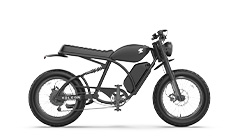

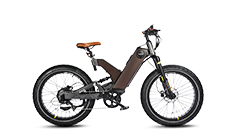

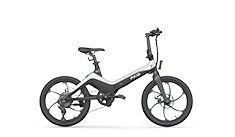

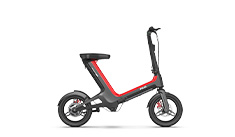





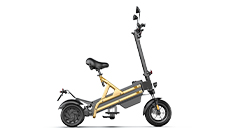

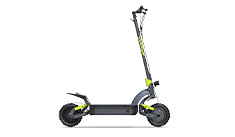

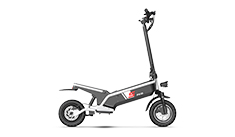

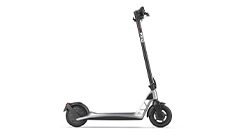


Overview of Global Shared E-Bike Projects
With increasing urban congestion and environmental awareness, the global market for shared electric bicycles, electric motorcycles, and electric scooters has grown rapidly over the past five years. According to industry statistics, more than 70 countries and regions have launched shared E-bike initiatives. However, surprisingly, approximately 80% of these projects fail by the third year (source).
The primary drivers behind these failures are complex, but two factors stand out: high operational costs and insufficient vehicle durability.
Analysis of Failed Projects
1. North America: Electric Motorcycle Sharing Struggles
In North American cities, several electric motorcycle sharing companies deployed large fleets, only to face frequent breakdowns, theft, and insufficient maintenance teams. Within three years, most companies exited the market (source).
2. Europe: E-Bike Sharing Challenges
In France and Germany, some shared E-bike platforms experienced stagnating user growth and rising maintenance costs. Low-quality batteries and motors required frequent servicing, with repair expenses consuming over 40% of total operational budgets (source).
3. Asia: Policy and User Behavior Impacts
In China and Southeast Asia, shared E-bike companies initially grew rapidly. However, stricter local regulations, inconsistent parking behavior, and variable user engagement caused operational costs to escalate, making long-term sustainability difficult (source).
Key failure factors:
●High operational costs: Charging, maintenance, vehicle redistribution, and labor expenses rise rapidly.
●Insufficient vehicle durability: Low-quality batteries, motors, and frames result in frequent repairs.
●Policy and management constraints: City regulations, parking limitations, and safety standards affect sustainability.
●Unstable user behavior: Improper parking and inconsistent usage exacerbate operational challenges.

The Trade-Off Between Operational Costs and Vehicle Durability
In shared E-bike projects, fleet operators face a critical hardware decision: invest in low-cost, lower-durability vehicles to reduce upfront expenditure, or choose high-quality vehicles to lower long-term maintenance costs.
Studies show that low-cost vehicles often suffer battery degradation, motor failure, and frame damage within 12–18 months, sharply increasing maintenance frequency and costs. High-quality vehicles, while more expensive upfront, significantly reduce repair needs over their lifecycle, improving overall project profitability(source).
Key hardware considerations:
●Battery: High-capacity, long-cycle lithium batteries reduce replacement frequency.
●Motor: Durable, high-efficiency brushless motors lower failure rates.
●Frame & components: Lightweight yet impact- and wear-resistant materials enhance lifespan.

Hardware Selection Recommendations
To ensure sustainable operation, fleet operators should prioritize:
Durability first: Choose electric bicycles, electric motorcycles,and electric scooters tested for long-term reliability.
Ease of maintenance: Modular designs allow quick battery and part replacement, reducing operational costs.
PXID product advantages:
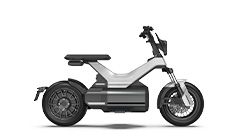
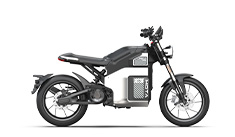
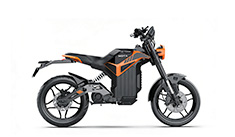
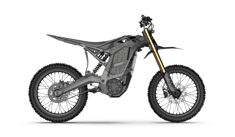
●Full range of shared E-bike and electric mobility solutions with OEM/ODM services.
●Battery packs use internationally certified lithium-nickel-manganese-cobalt cells, offering long cycle life and quick swap capability.
●Motors and control systems undergo rigorous testing to ensure reliability during continuous operation.
●Custom vehicle management system integration allows real-time fleet monitoring and scheduling.
Lessons from Successful Operations
A few successful shared E-bike projects reveal:
●High-quality hardware + intelligent management: Reduces breakdowns and improves user experience.
●Optimized operations and maintenance: Scheduled maintenance and fast repair systems minimize downtime.
●Agility in policy and market response: Adjusting fleet density and deployment regions as regulations change.
●Reliable supply chain and OEM/ODM support: Standardized vehicles and spare parts availability are critical.
PXID leverages advanced technology, global supply chain management, and B2B service expertise to provide durable vehicles and low-maintenance electric mobility solutions, helping clients achieve long-term success in shared electric mobility.

Failed E-Bike Project Examples
|
Project Name |
Country/Region |
Reason for Failure |
Key Hardware Issues |
Cost Impact |
| LimeBike Electric Motor Sharing | USA | High failure rate, insufficient maintenance | Frequent motor failures, low-durability batteries | Operational costs exceeded budget by 35% |
| Vélib' Métropole E-Bike | France | High damage rate, parking management issues | Low-durability frames, short battery life | Repair costs 42% of total expenses |
| Ofo Electric Bicycle | China | Improper parking, policy constraints | Non-modular design | Maintenance frequency increased 50% |
| GoShare Electric Motor | Germany | Operational management, theft issues | Motor and control system vulnerable | Loss rate high, operational costs up 30% |
Conclusion and Outlook
As urban mobility continues to evolve, the market potential for shared E-bikes, electric motorcycles, and electric scooters remains significant. Long-term success, however, depends on stringent vehicle durability standards and intelligent operational cost management.
PXID combines cutting-edge battery, motor, and vehicle design technologies with flexible OEM/ODM production capabilities and a robust global supply chain to deliver reliable,efficient electric mobility solutions for fleet operators. By choosing high-quality, maintainable vehicles, operators can reduce maintenance costs, enhance user satisfaction, and achieve sustainable project growth. Moving forward, PXID will continue to drive technological innovation in the industry,supporting the long-term development of the shared electric mobility market.
FAQ
High operational costs and insufficient vehicle durability lead to frequent maintenance and service interruptions. PXID emphasizes selecting long-lasting hardware to ensure project sustainability.
Durable batteries, high-efficiency motors, and reinforced frames reduce failures and maintenance. PXID designs vehicles with modular components for easy upkeep and longevity.
Reducing frequent repairs and downtime is key. PXID offers reliable electric mobility solutions that optimize maintenance efficiency and lower long-term expenses.
Battery cycles, motor quality, frame materials, and user handling all impact lifespan. PXID tests all components under high-stress conditions to ensure durability.
High-quality vehicles require higher initial investment but reduce long-term maintenance costs. PXID provides OEM/ODM vehicles optimized for durability and efficiency.
Modular batteries and motors allow quick swaps, minimizing downtime. PXID integrates modular design across its electric mobility solutions for fast servicing.
Yes, with durable hardware and intelligent fleet management. PXID offers solutions tailored for urban deployment, reducing operational risks.
City policies and parking rules impact usage and fleet management. PXID’s vehicles and fleet solutions are designed to comply with global urban mobility standards.
Security issues increase maintenance and replacement costs. PXID strengthens vehicle design and offers monitoring system integration to mitigate losses.
Quality assurance, supply chain reliability, and customization capabilities are critical. PXID provides comprehensive OEM/ODM support with proven global experience.
For more information about PXID ODM services and successful cases of electric bicycles, electric motorcycles, and electric scooter design, and production, please visit https://www.pxid.com/download/
or contact our professional team to obtain customized solutions.
 Facebook
 Twitter
 Youtube
 Instagram
 Linkedin
 Behance
 tiktok

