

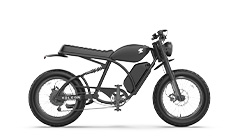

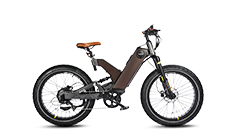

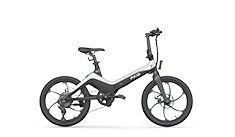

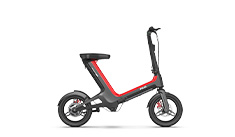

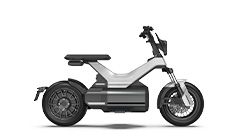

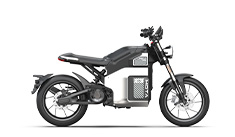

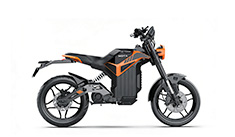

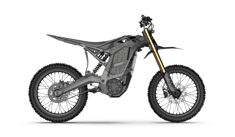

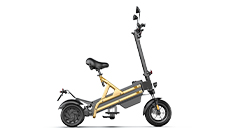

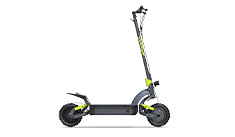

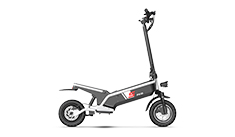

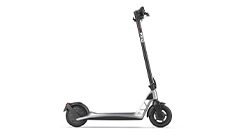


As the global electric mobility market continues to expand, competition within the e-scooter, e-bike, and electric motorcycle industries is intensifying. During product development, brand owners consistently face three core challenges: cost control, speed-to-market, and product differentiation.
The ability to balance these three factors determines whether a brand can gain a competitive edge in a crowded market. Consequently, choosing between OEM (Original Equipment Manufacturing) and ODM (Original Design Manufacturing) has become a pivotal strategic decision. Understanding the nuances of these models—and selecting one based on the company's current development stage—is essential for efficient product realization and commercial success.
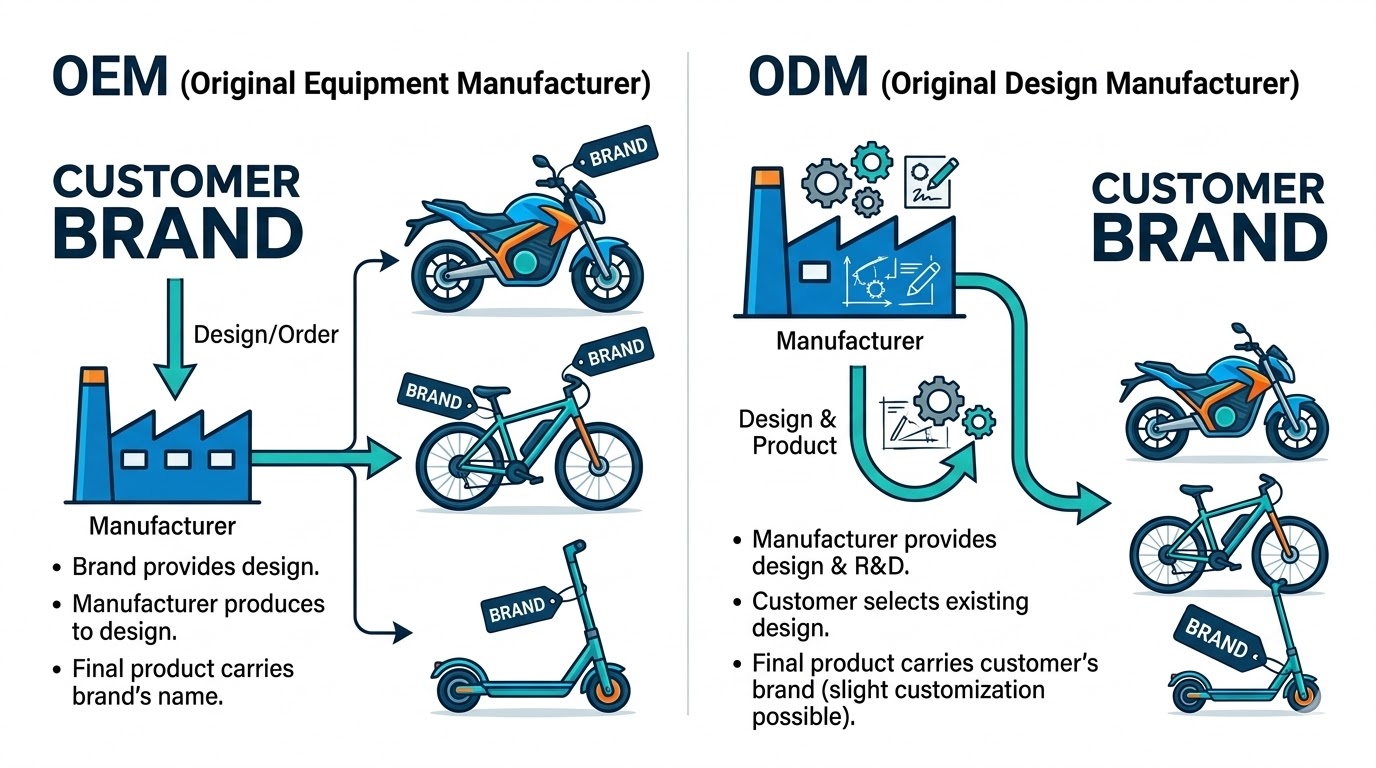
Defining OEM and ODM
In the electric two-wheeler manufacturing sector, OEM and ODM represent two distinct operational logics:
● OEM Model: The brand owner leads the product design and technical specifications, while the manufacturer produces the goods according to the established plan. This model allows the brand to maintain full control over intellectual property and achieve high levels of differentiation, though it requires higher R&D investment and longer development cycles.
● ODM Model: The manufacturer provides an integrated solution encompassing everything from industrial design and structural development to final production. Brands can launch products quickly based on mature platforms or make customized adjustments, significantly shortening development timelines and reducing upfront investment.
Core Comparison: OEM vs. ODM
To help brands better distinguish between the two models, here is a comparison across key dimensions:
| Dimension | OEM Model | ODM Model |
| Development Cycle | 6–12 months | 3–6 months |
| Cost Investment | High R&D costs; controllable mass production costs | Low upfront investment; higher unit price for mass production |
| Customization | Fully bespoke; prominent differentiation | Solution-based customization; fixed core architecture |
| Technical Barrier | Requires an in-house R&D team | Manufacturer provides technical support |
| Speed-to-Market | Slower; requires completing the full development process | Rapid; can utilize mature existing solutions |
Source: Mordor Intelligence, Grand View Research (2024)
From an SEO and industry trend perspective, speed-to-market and development efficiency are increasingly becoming the primary drivers of brand decision-making.

Recommendations by Brand Development Stage
● Startup Brands: Prioritize ODM For startups with limited resources, rapid product launch and market validation are critical. The ODM model can bring a product to market within 3–6 months, significantly lowering R&D costs and trial-and-error risks, allowing brands to focus resources on market expansion and channel building.
● Growing Brands: A Hybrid of OEM + ODM As brands enter the growth phase, they must balance efficiency with differentiation. Using ODM for rapid iterations while adopting OEM for deep development of flagship products helps build long-term competitive advantages.
● Mature Brands: Primarily OEM or In-house R&D Mature brands typically possess complete R&D systems. They tend to lean toward OEM or independent R&D to achieve maximum differentiation, thereby establishing technical barriers and a "brand moat".
Industry Application Scenarios
The suitability of OEM versus ODM varies across specific product categories:
● Electric Scooters: As a representative of urban micro-mobility, e-scooters are technically mature with highly standardized solutions, making them ideal for the rapid iteration of the ODM model.
● Electric Bikes: This market is highly segmented—ranging from urban commuting to mountain trekking and lightweight designs to long-range performance. The ODM-customized model is suitable here to optimize products on mature platforms for specific scenarios.
● Electric Motorcycles: As a high-end category, these require superior performance, safety, and design. OEM or deep customization models are recommended to ensure unique competitiveness within their price bracket.
Global OEM/ODM Market Trends
| Year | OEM Market Size (USD Billions) | ODM Market Size (USD Billions) |
| 2020 | 28.0 | 12.0 |
| 2023 | 39.0 | 21.0 |
| 2025E | 48.0 | 31.0 |
Source: Statista, Grand View Research (2024)
Data indicates that the ODM market is growing significantly faster than the OEM market, reflecting a global shift toward one-stop manufacturing solutions.
PXID ODM Service Solutions
In the fast-moving electric mobility sector, brands are demanding higher development efficiency and supply chain stability. One-stop ODM manufacturers are becoming essential partners for brands seeking rapid market entry.
PXID offers full-process services across the e-scooter, e-bike, and e-motorcycle sectors—covering industrial design, structural development, electronic control systems, and vehicle assembly. By utilizing mature platforms and modular development, brands can achieve customization and differentiation while maintaining cost control.
In practical cooperation, this integrated ODM model helps brands effectively shorten development cycles, reduce communication costs, and improve overall efficiency from concept to mass production. It is particularly suitable for companies looking to enter the market quickly or expand their product lines.
If you are looking for a reliable electric mobility manufacturing partner, please visit our ODM services page or contact our team directly for customized solutions and project support.

There is no absolute "better" choice between OEM and ODM; the core lies in matching the model to the brand's development stage and product strategy. For those prioritizing speed, ODM is the answer; for those emphasizing technical barriers, OEM is the superior path. As global electric mobility solutions evolve, the manufacturing partnership is shifting from simple production toward an integrated future of design, R&D, and manufacturing.
FAQ
OEM requires brands to provide their own designs, while ODM offers ready-made solutions from manufacturers. ODM significantly reduces development time and complexity.
ODM is generally more suitable for startups due to lower upfront investment and faster time-to-market. It allows brands to test products quickly with reduced risk.
OEM projects usually take 6–12 months depending on complexity. This includes design, engineering, prototyping, and validation processes.
ODM products can typically be launched within 3–6 months. Using existing platforms accelerates development and reduces delays.
OEM provides full customization and IP ownership. ODM allows partial customization based on existing platforms.
OEM has higher upfront R&D costs but better control over unit cost. ODM requires lower initial investment but may have slightly higher per-unit pricing.
Brands usually shift to OEM as they grow and require stronger differentiation. This transition helps build long-term competitive advantages.
Yes, ODM is widely used for e-scooters and e-bikes due to standardized platforms. It enables faster iteration and market responsiveness.
Manufacturers provide design, engineering, and production support. This integrated approach reduces communication costs and accelerates product launch.
Choosing experienced manufacturers with integrated capabilities helps minimize risks. Strong supply chain and engineering support are critical.
For more information about PXID ODM services and successful cases of electric bicycles, electric motorcycles, and electric scooter design, and production, please visit https://www.pxid.com/download/
or contact our professional team to obtain customized solutions.
 Facebook
 Twitter
 Youtube
 Instagram
 Linkedin
 Behance
 tiktok

