














Europe Electric Motorcycle Market: Latest Trends and OEM Opportunities
Market Overview
The electric motorcycle Europe market continues to grow as cities accelerate zero-emission transportation strategies. The shift toward urban electric mobility and last-mile logistics is driving demand for lightweight electric motorcycles across major European cities.
According to the International Energy Agency, electric two- and three-wheelers remain one of the most electrified transport segments globally, with around 10 million units sold in 2024 and increasing adoption in regions including Europe due to low-emission zones and urban policy support. (IEA) IEA Global EV Outlook 2025 – Electric Two-Wheelers
The expansion of Low Emission Zones (LEZs) across European cities — growing from 228 in 2019 to over 320 — is also accelerating adoption of compact electric vehicles including motorcycles and scooters. (IEA)

European Electric Motorcycle Market Growth Trend
The electric motorbike market in Europe is evolving from commuter vehicles to broader commercial applications such as delivery fleets and shared mobility.
The International Energy Agency indicates that policy support and urban congestion reduction strategies are key drivers encouraging electrification of light mobility platforms. (IEA)
IEA Electric Mobility Outlook Europe
Key growth drivers include:
●Expansion of low-emission zones
●Increasing fuel and operating costs
●Growth of delivery platforms
●Demand for electric delivery motorcycle fleets
●Rising adoption of L3e electric motorcycle platforms
These factors are pushing demand for modular electric motorcycle OEM solutions.
Policy and Subsidy Changes
European policy continues to support electrification. The EU’s transport decarbonization strategy encourages adoption of zero-emission vehicles, particularly in urban fleets.
The policy environment in Europe is considered one of the strongest globally for EV adoption, with regulations aimed at reducing emissions and encouraging lightweight electric mobility platforms. (IEA)
EU Electric Mobility Policy Overview (IEA)
Example Incentive Landscape
|
Country |
Incentive Type |
Focus |
| France | Purchase subsidy | Urban commuting |
| Germany | Fleet incentives | Commercial mobility |
| Italy | Eco bonus | Electric two-wheelers |
| Spain | MOVES program | Shared mobility |
| Netherlands | City incentives | Urban logistics |
These incentives directly support the expansion of electric motorcycle Europe demand.

Urban and Shared Mobility Demand
Urban logistics is one of the fastest-growing segments for electric motorcycles. The rapid growth of e-commerce and food delivery services increases demand for electric delivery motorcycle solutions.
Electric two-wheelers are particularly suitable for dense urban environments due to lower cost and easier charging options, including removable battery systems. (IEA)
Electric Two Wheelers Urban Mobility Analysis (IEA)
Key requirements from European operators include:
●Lightweight frame design
●Long service life
●Swappable battery capability
●Low maintenance cost
●Fleet connectivity

Technology Trends and Product Direction
Battery and Range
Fleet operators typically prioritize balanced range and cost. Lightweight platforms with modular battery architecture are increasingly preferred for urban electric mobility applications.
Battery Swap Trend
Removable battery solutions reduce downtime for delivery fleets and improve utilization rate, supporting the growth of battery swap electric motorcycle deployment.
Lightweight Platform Design
OEM buyers increasingly prefer:
●Aluminum frame structure
●Compact vehicle dimensions
●Modular battery configuration
●Fleet-ready architecture
These trends reinforce demand for flexible electric motorcycle OEM platforms.
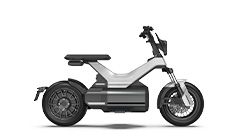
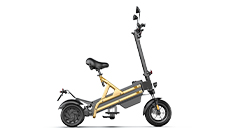
PXID P8 Soft Solution Example
Against this backdrop, modular lightweight electric motorcycles are becoming essential for European distributors and mobility operators.
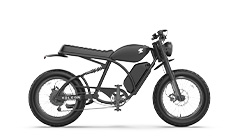
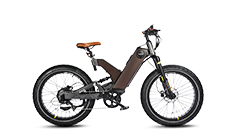
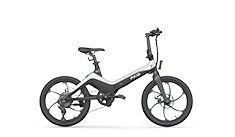
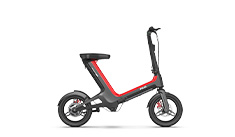
The PXID P8 electric motorcycle reflects key market requirements:
●Lightweight structure optimized for urban electric mobility
●Compact size for European city environments
●Configurable battery supporting electric delivery motorcycle use
●Modular platform for electric motorcycle OEM cooperation
●Fleet-ready design for shared mobility deployment
Such characteristics make PXID P8 suitable for:
●Urban commuting
●Delivery fleets
●Shared mobility programs
●Campus transportation
●Smart city mobility
This aligns with the evolving electric motorbike market in Europe.

European Market Application Scenarios
|
Application |
Requirement |
Market Trend |
| Urban commuting | Lightweight frame | Growing |
| Delivery fleets | Swappable battery | Rapid growth |
| Shared mobility | Durable design | Expanding |
| Fleet logistics | Low maintenance | High demand |
| Campus mobility | Compact size | Emerging |
The electric motorcycle Europe market is entering a strong growth phase driven by policy support, urban logistics demand, and lightweight vehicle innovation.
OEM manufacturers offering modular, lightweight platforms are well positioned to support European distributors and mobility operators.
Solutions such as PXID P8 demonstrate how flexible electric motorcycles can meet evolving needs across urban electric mobility, delivery fleets, and shared mobility applications.
FAQ
The market expansion is primarily driven by strong policy incentives, a surge in demand for urban delivery services, and the emergence of lightweight L3e electric motorcycle platforms. Additionally, the proliferation of Low Emission Zones (LEZs) and rising operational costs for traditional vehicles have accelerated adoption.
European cities are accelerating zero-emission transportation strategies, with the number of Low Emission Zones (LEZs) increasing from 228 in 2019 to over 320. The EU’s transport decarbonization strategy further encourages the adoption of zero-emission vehicles, particularly for urban fleets.
The market is evolving from basic commuting to broader commercial applications. Key scenarios include urban commuting , delivery fleets for e-commerce and food , shared mobility programs , and specialized use in campus transportation or smart city mobility.
The L3e platform represents lightweight electric motorcycles that are creating new opportunities for OEM cooperation. These platforms are highly valued because they offer a compact and efficient solution for navigating dense European city environments.
Operators look for specific features that optimize efficiency and durability. These include lightweight frame designs (often using aluminum) , swappable battery capabilities , low maintenance costs , and integrated fleet connectivity for digital management.
Removable and swappable battery solutions are becoming a major trend because they significantly reduce downtime for delivery fleets. By allowing for quick battery exchanges, these systems improve the utilization rate of vehicles in high-demand commercial sectors.
Incentives are tailored to specific local goals: France focuses on purchase subsidies for urban commuting, while Germany prioritizes fleet incentives for commercial mobility. Italy offers "Eco bonuses" for two-wheelers, Spain uses the MOVES program for shared mobility, and the Netherlands provides city-level incentives for urban logistics.
The PXID P8 reflects key market requirements by offering a modular, lightweight structure optimized for urban mobility. Its design is fleet-ready and configurable, making it suitable for everything from personal commuting to professional delivery and shared mobility programs.
The demand for modular and flexible platforms is creating significant opportunities for electric motorcycle OEM cooperation. Manufacturers that offer customizable platforms allow European distributors and operators to deploy vehicles that meet specific regional or functional needs.
Urban logistics is one of the fastest-growing segments in the industry. Due to the rapid growth of e-commerce, electric delivery motorcycles are becoming essential tools because they offer lower operating costs and easier charging options compared to traditional vans or gas-powered bikes.
For more information about PXID ODM services and successful cases of electric bicycles, electric motorcycles, and electric scooter design, and production, please visit https://www.pxid.com/download/
or contact our professional team to obtain customized solutions.
 Facebook
 Twitter
 Youtube
 Instagram
 Linkedin
 Behance
 tiktok

