

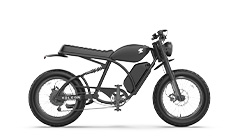

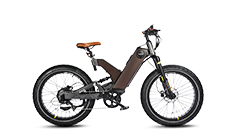

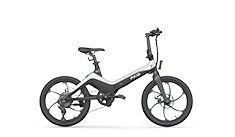

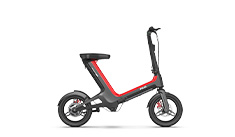

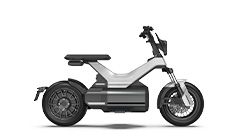

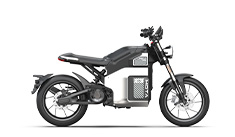

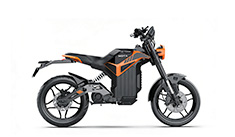

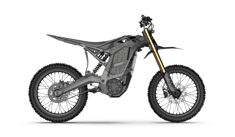

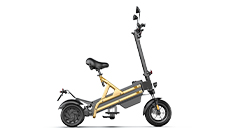

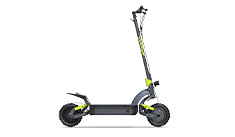

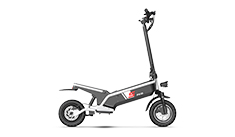

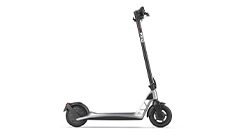


Overview of CYCLE MODE TOKYO 2026
CYCLE MODE TOKYO is one of Japan’s premier cycling exhibitions, attracting global attention from manufacturers, distributors, and urban mobility stakeholders. Scheduled from April 25 to 26, 2026 (source),the event serves as a platform to showcase the latest in electric bicycles, electric motorcycles,and electric scooters, as well as innovative urban commuting solutions.
While PXID is not exhibiting this year, the company closely monitors trends in the Japanese market and the broader E-bike experience sector. Observing exhibitions like CYCLE MODE TOKYO enables PXID to anticipate consumer preferences, technology advancements, and regulatory shifts, positioning the company to deliver optimized electric mobility solutions to international clients.

Exhibition Highlights
Lightweight Commuter Vehicles
One of the most notable trends at CYCLE MODE TOKYO 2026 is the emphasis on lightweight commuter E-bikes designed for city transport. These models prioritize maneuverability, compact design, and user-friendly interfaces. Attendees can experience firsthand the ease of urban commuting, including foldable frames and integrated smart controls(source).
E-Bike Product Displays and Interactive Experiences
The exhibition features interactive zones where visitors can test ride electric bicycles,electric motorcycles, and electric scooters. These demonstrations highlight vehicle acceleration, battery performance, and stability features, allowing potential partners to assess suitability for urban fleet deployment. Data from previous editions show that hands-on experience significantly influences procurement decisions(source).
Urban Commuting Trends and Consumer Interests
Consumer interest in compact, efficient, and eco-friendly urban transport is growing. Features such as pedal-assist levels, smartphone integration, and lightweight frames are particularly valued by Japanese commuters. Market analysts report that urban commuters increasingly prioritize E-bike experience quality, safety, and low-maintenance design(source).

Japan Market Entry: JIS Standards
Compliance with Japan Industrial Standards (JIS) is essential for any electric bicycle, electric motorcycle, or electric scooter intended for the Japanese market. JIS standards dictate technical specifications, safety requirements, and performance benchmarks to ensure reliability and user safety (source).
PXID assists clients in navigating these requirements by:
●Providing guidance on JIS standard compliance for vehicle design
●Ensuring OEM/ODM production aligns with Japanese regulatory expectations
●Offering testing and certification support for both hardware and software systems
By understanding JIS regulations, clients can reduce market entry risks and accelerate product deployment in Japan.
Industry Trends and Opportunities
Urban Mobility Demand in Japan and Asia
Urbanization in Japan and other Asian markets is fueling demand for compact, efficient electric vehicles. Commuters increasingly adopt electric bicycles and electric scooters for short trips, last-mile connectivity, and environmentally friendly alternatives to traditional transport (source).
OEM/ODM Opportunities and Market Collaboration
CYCLE MODE TOKYO 2026 demonstrates opportunities for global OEM/ODM partnerships. International clients seeking electric mobility solutions can leverage collaborations to customize products for Japanese urban commuting needs, including weight reduction, battery optimization, and smart control integration.

Exhibition Summary and Outlook
CYCLE MODE TOKYO 2026 highlights the evolution of urban mobility, emphasizing lightweight commuter vehicles and immersive E-bike experiences. PXID continues to monitor these developments, leveraging insights to enhance product offerings for international clients.
By combining advanced hardware, smart control systems, and OEM/ODM capabilities, PXID delivers high-performance electric mobility solutions tailored to the Japanese market and beyond. Companies seeking reliable urban transport solutions are encouraged to explore partnership opportunities, ensuring their fleets meet both JIS standards and consumer expectations for efficiency, safety, and sustainability (source).
FAQ
PXID observes a strong focus on lightweight, foldable designs with integrated smart controls. These features enhance urban E-bike experiences and commuter convenience.
Compliance ensures safety, reliability, and market acceptance. PXID assists clients in designing electric bicycles, electric motorcycles, and electric scooters that meet Japanese regulations.
Durable frames, high-performance batteries, and responsive motors are essential. PXID integrates these elements to optimize electric mobility solutions for dense city environments.
Yes, hands-on test rides allow assessment of ride comfort, battery performance, and usability. PXID leverages such insights to refine OEM/ODM offerings.
Customizable designs, localized features, and regulatory compliance accelerate market entry. PXID offers tailored electric mobility solutions for international clients.
Lightweight frames, pedal-assist functionality, and low maintenance appeal to daily riders. PXID ensures its products meet these urban commuting preferences.
Reliable, long-life batteries reduce downtime and maintenance costs. PXID integrates high-capacity cells for optimal E-bike experiences.
Yes, when designed with durable materials and tested for high-stress urban riding. PXID emphasizes vehicle durability and performance under frequent use.
Urban commuting demand and fleet modernization create OEM/ODM collaboration potential. PXID helps partners capitalize on electric mobility solutions aligned with market trends.
It optimizes motor output, battery usage, and user experience. PXID integrates smart controls to enhance efficiency and satisfaction in city commuting.
For more information about PXID ODM services and successful cases of electric bicycles, electric motorcycles, and electric scooter design, and production, please visit https://www.pxid.com/download/
or contact our professional team to obtain customized solutions.
 Facebook
 Twitter
 Youtube
 Instagram
 Linkedin
 Behance
 tiktok

